
Create an intent
Send amount, currency, payment method and your business reference.
Use a provider-neutral transaction layer to evaluate routes, call the selected processor and normalize the result back into one internal payment model.
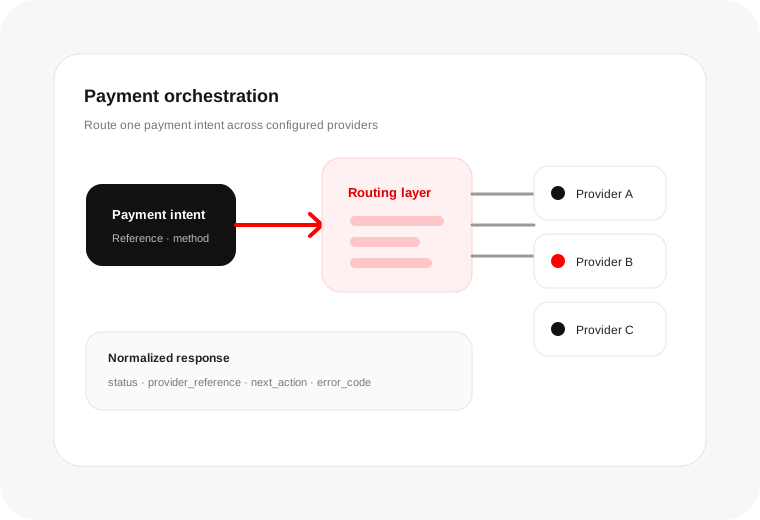
PixelNestTech separates your payment intent from provider-specific request formats so product teams can change routing logic without rewriting checkout or back-office workflows.
Send amount, currency, payment method and your business reference.
Apply configured rules for method, currency, provider availability and business priorities.
Translate the request through the selected provider adapter and retain its reference.
Return a consistent transaction state, next action and error model to your application.
Rules can be designed around the capabilities and operational characteristics of the providers configured for your deployment.
Define when a payment can safely move to an alternate route and when it should remain on the original provider.
Record the selected route, provider reference and outcome so support teams can investigate a transaction quickly.
Add or change adapters without letting provider-specific behavior spread through customer-facing product code.
Your application submits the business intent. The orchestration layer decides how that intent is translated to the configured provider.
// Example interface — implementation varies by deployment
POST /payment-intents
{
  "amount": "125.00",
  "currency": "USD",
  "method": "card",
  "reference": "ORDER-8421"
}
Talk to PixelNestTech about adapter design, routing policies, failure handling and transaction-state normalization.